
Mobile App UX Design: Driving Engagement and Retention in 2026
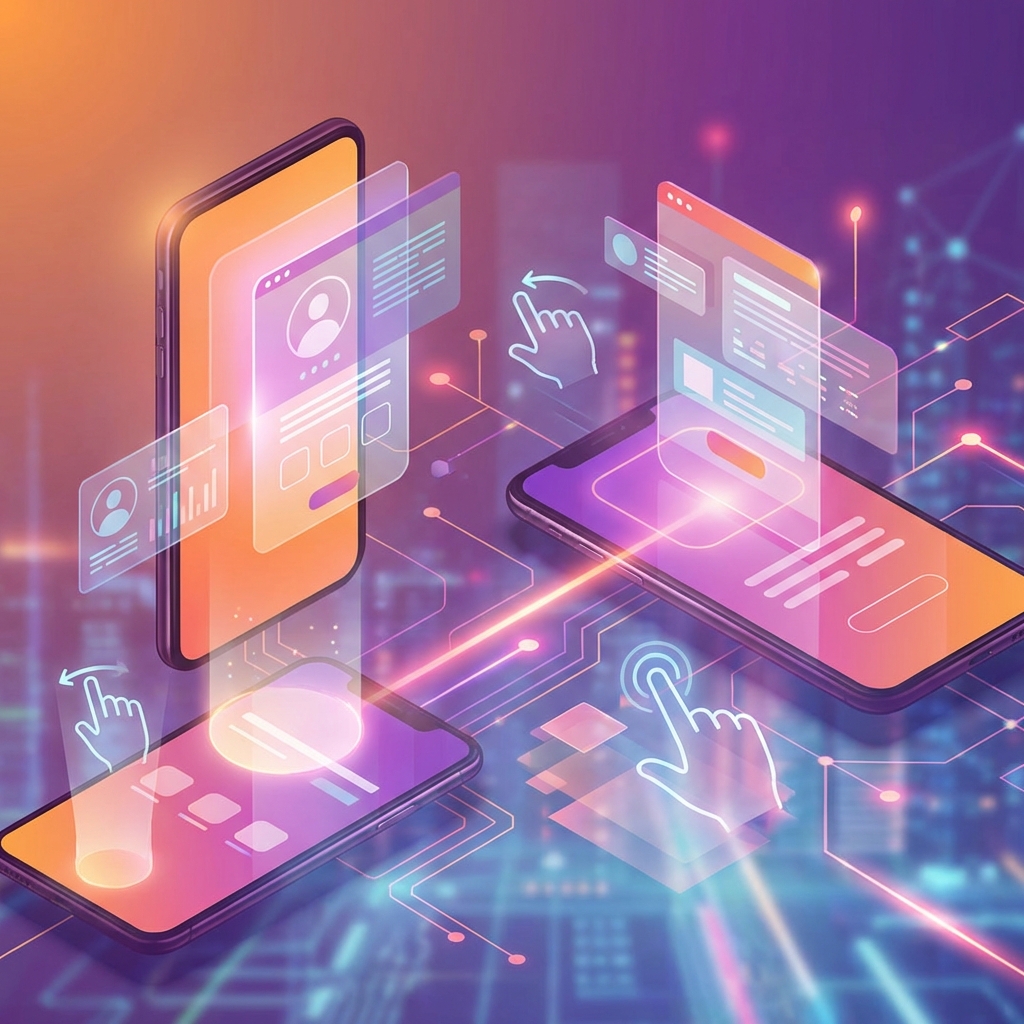
In a saturated app market, Mobile UX Design is no longer just about looking good—it's about survival. Users decide within the first 15 seconds whether an app is worth their time or headed for the trash icon. At Codexal, we combine psychological insights with cutting-edge UI patterns to build apps that users don't just use, but love.
1. The Psychology of Effortless Interaction
The best interface is one the user doesn't notice. This concept, known as Invisible Design, focuses on reducing "cognitive load." When a user has to think about where to click, you've already lost them. We use standard mental models—like the "thumb zone" for navigation—to ensure that common tasks feel second nature.
Consistent patterns are especially important when designing complex features like E-commerce Payment Gateways, where any friction can lead to a lost sale.
2. Micro-Interactions and Delight
Small animations and haptic feedback can transform a sterile app into a living, breathing experience. A subtle vibration when a task is completed, or a smooth transition when switching screens, provides the "tactile satisfaction" that builds emotional connection. However, these must be purposeful—gratuitous animation is just noise.
3. Accessibility is a Right, Not a Feature
Designing for accessibility (a11y) shouldn't be a box you check at the end of a project. It should be baked into the colors, typography, and structure. In 2026, creating inclusive apps is a business necessity. High-contrast modes, scalable text, and screen-reader compatibility significantly expand your potential user base.
- Touch Targets: Ensuring every button is at least 44x44 points.
- Visual Hierachy: Using font weights and sizes to guide the eye.
- Alt Text: Providing meaningful descriptions for screen readers.
4. Performance as a UX Metric
Loading times are a user experience issue, not just a technical one. A beautiful design is worthless if it takes 8 seconds to load. Our DevOps-driven approach ensures that assets are optimized, images are served in WebP format, and critical resources are prioritized to ensure a "snappy" feel.
Conclusion: The Future of Mobile Interaction
The future of mobile UX lies in personalization and proactive design—apps that anticipate what the user wants before they even touch the screen. By focusing on the human at the center of the technology, you build more than just a tool; you build a relationship.
Ready to redesign your mobile experience? Explore our UI/UX Design Services or contact us for a free usability consultation.