
AI in Education: Transforming the Virtual Learning Experience
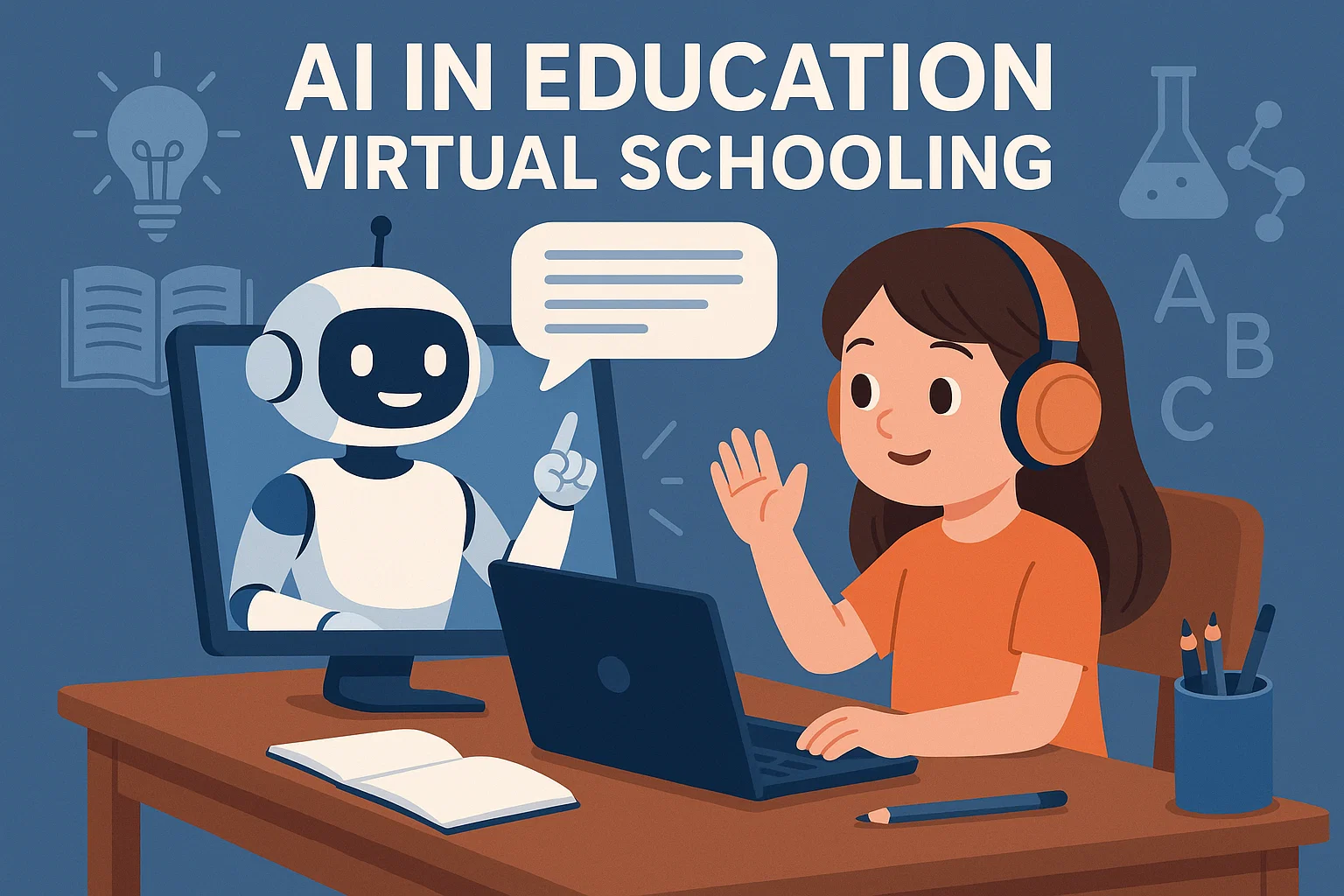
Education is standing at a historic crossroads. The integration of Artificial Intelligence (AI) into virtual schooling is not just about making learning more digital; it's about making it more human. By automating administrative tasks and personalizing delivery, AI allows educators to focus on what they do best: inspiring and mentoring. At Codexal, we are pioneering the next generation of smart learning environments.
1. The Power of Personalized Learning Paths
One of the biggest failures of traditional education is the "one-size-fits-all" approach. AI changes this by creating Adaptive Learning Paths. If a student struggles with quadratic equations in algebra, the AI detects the pattern and provides supplementary resources, videos, and practice problems tailored to that specific gap. Conversely, if a student excels, the system accelerates the curriculum to keep them challenged.
This level of precision in software is similar to how we build Modern UX Designs—anticipating user behavior to create a seamless journey.
2. Intelligent Grading and Feedback
Teachers spend an average of 10-15 hours a week grading. AI can now grade not just multiple-choice tests, but essays and open-ended responses using Natural Language Processing (NLP). More importantly, it provides instant feedback. Instead of waiting a week for a grade, a student learns if they were right or wrong within seconds, while the thought process is still fresh.
3. Ethical AI and Integrity in Virtual Exams
Integrity is a major concern in virtual schooling. Modern AI-proctoring tools use behavioral analysis to ensure exam fairness. By monitoring eye movements, typing patterns, and audio cues, AI can flag suspicious behavior without invading privacy as drastically as human cameras. We integrate these features into our Smart Virtual School solutions to provide a trustworthy ecosystem.
4. Universal Design for Learning (UDL)
AI is a massive win for accessibility. From real-time captions for hearing-impaired students to AI-driven translation for non-native speakers, technology breaks down physical and linguistic barriers. It ensures that regardless of a student's geography or physical ability, the quality of education remains world-class.
Conclusion: The Future is Blended
AI will never replace the teacher, but the teacher who uses AI will replace the one who doesn't. Our goal at Codexal is to provide the infrastructure that makes this transition possible. The classroom of the future is here—it's smart, it's global, and it's inclusive.
Are you looking to modernize your educational institution? Explore our AI Services or contact us to see a demo of our EdTech platforms.