
How can Businesses Build a Sustainable Remote Culture?
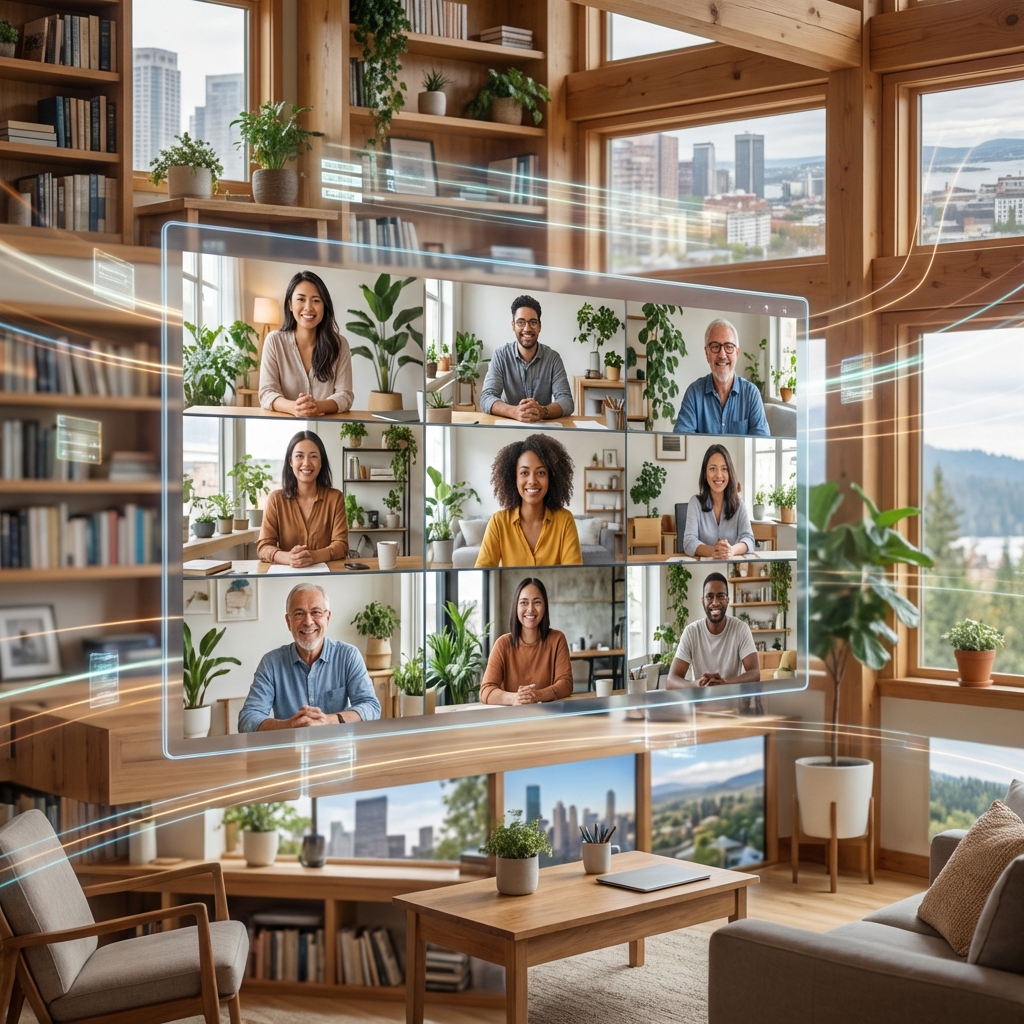
The "Great Experiment" of remote work that began years ago has matured into a permanent reality. In 2026, the question is no longer "Can we work remotely?" but "How do we make it sustainable for the long haul?" Many companies that rushed into remote work are now facing "Engagement Decay"—a slow erosion of company culture, increased burnout, and a sense of isolation among employees. At Codexal, we believe that a truly sustainable remote culture is built on three pillars: Intentional Connection, Digital Transparency, and Radical Trust.
1. Moving Beyond the "Meeting Trap": Asynchronous First
The biggest threat to remote sustainability is the "Meeting Trap." When managers can't see their team, they often over-compensate by booking back-to-back video calls to "check-in." This leads to Zoom fatigue and destroys the "Deep Work" time needed for complex tasks like managing DevOps pipelines or writing high-level code.
A sustainable culture is Asynchronous-First. This means communication happens primarily through written documents, recorded videos, and collaborative tools. Meetings are reserved for two things: high-stakes creative brainstorming or emotional connection. By defaulting to "async," you respect the diverse time zones and biological clocks of your global workforce.
2. Digital Transparency: The "Virtual Watercooler"
In a physical office, knowledge flows through accidental conversations at the watercooler. In a remote environment, knowledge is often siloed in private Slack DMs or email threads. This creates a "Knowledge Underclass"—people who are out of the loop simply because they weren't in the virtual room.
Sustainability requires Radical Transparency. Project decisions, financial goals, and even failure autopsies should be documented in a public, searchable company hub. This is why we advocate for robust documentation in our Cloud Transformation strategies—not just for the tech, but for the people. When everyone has access to the same information, everyone feels like they belong to the mission.
3. Measuring Outcomes, Not Output (The Trust Pillar)
You cannot micromanage a remote team. It is mathematically and psychologically impossible. A sustainable culture must move from "Presence-Based Management" (counting hours at a desk) to Outcome-Based Management (measuring what was actually achieved).
This requires a high degree of trust. If a developer at Codexal delivers a flawless UX redesign on time, it shouldn't matter if they did it at 2:00 AM or 10:00 AM with their children in the room. When you trust your employees to manage their own time, they repay you with loyalty and high-performance "Flow States."
4. Fighting the "Always-On" Burnout
The blurred line between "Work" and "Home" is a silent killer. When your laptop is always in the next room, work never truly ends. Sustaining a remote culture means setting Digital Boundaries. This includes "No-Ping" hours and mandatory "Recharge" days.
Burnout prevention also involves high-quality equipment. A sustainable remote worker shouldn't be hunching over a kitchen table. Progressive companies provide "Work from Home Stamped" stipends to ensure their team has ergonomic chairs, professional lighting for AI collaboration calls, and high-speed internet. Your remote environment is an extension of the company's infrastructure—treat it as such.
5. Investing in "Social Infrastructure"
Connection doesn't happen by accident remotely; it must be engineered. A sustainable culture invests in "Social Infrastructure"—intentional spaces for non-work interaction. This can be "Virtual Coffee" pairings, internal gaming guilds, or Slack channels dedicated to hobbies. Furthermore, remote-first companies must still find time for The Yearly Retreat. Physical proximity for one week a year can recharge the "Social Capital" of a team for the remaining 51 weeks.
6. Security as a Cultural Mindset
A distributed workforce is a dispersed attack surface. As we noted in our Cybersecurity Backbone article, security must be part of the remote culture. This isn't just about software; it's about habits. Employees must be trained to recognize phoniness in a digital world—from AI-phishing to unsecured cloud logins. A "Secure Remote" is a "Sustainable Remote."
Conclusion: Remote is the Strategic Choice
Building a sustainable remote culture is a journey, not a destination. It requires constant iteration and feedback. But for those who get it right, the rewards are immense: access to a global talent pool, significantly reduced overhead, and a workforce that is more resilient and adaptable than any office-bound team could ever be.
At Codexal, we are proud to be a remote-first organization. We build the tools and the cultures that empower the workforce of the future. Whether you are looking for digital talent or looking to modernize your own internal culture, we are here to help.
Ready to build the future of work? Explore our Consulting Services or contact us to learn how we can help your organization thrive in the digital age.
The Role of AI in Remote Sustainability
AI is becoming the "Digital Glue" that holds remote teams together. AI-powered transcription services ensure that if you miss a meeting, you can "search" the transcript for your name and see exactly what was requested of you. AI sentiment analysis can even help managers detect early signs of frustration or burnout in team channels before it leads to turnover. These tools act as "Culture Monitors," providing the data needed to keep the virtual workplace healthy and vibrant.
By leveraging these advanced technologies, we ensure that being "Remote" doesn't mean being "Removed." We stay connected, efficient, and human, no matter the physical distance between us.